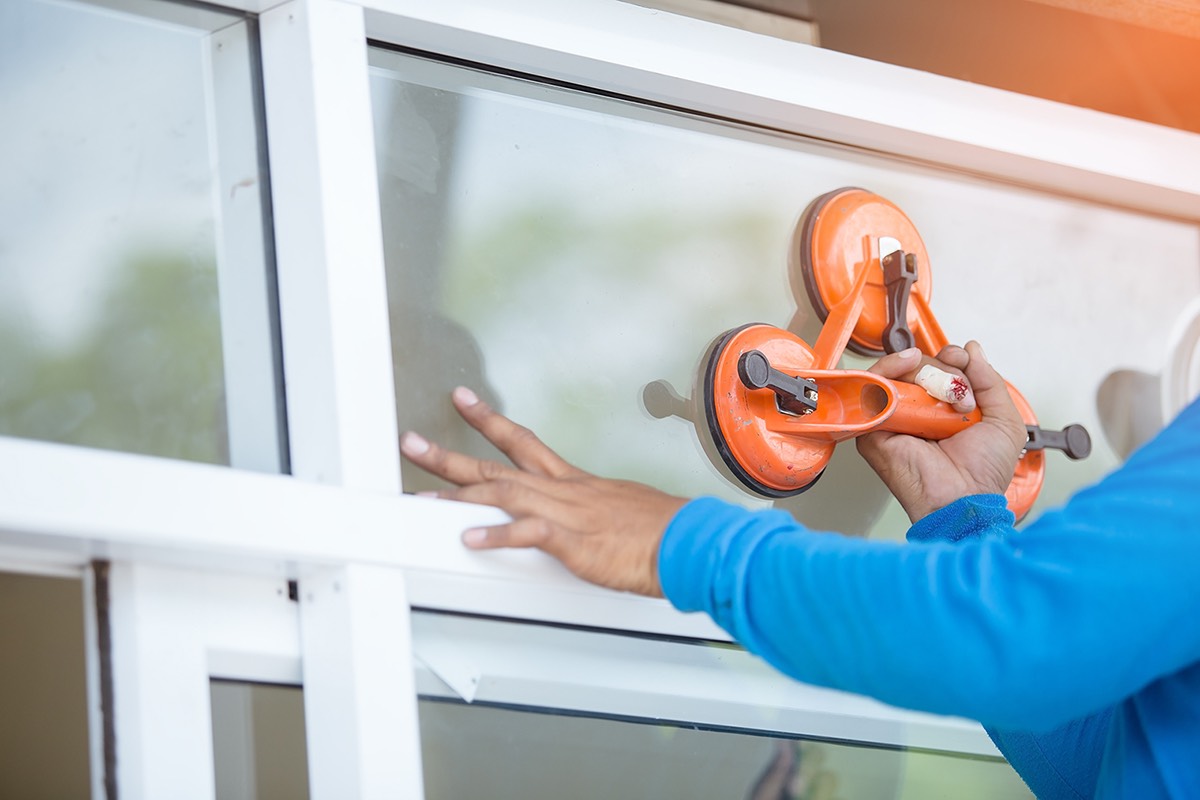
The Most Powerful Sources Of Inspiration Of Argon Gas Window Repair
Understanding and Repairing Argon Gas Windows: A Comprehensive Guide
Argon gas windows, also referred to as gas-filled windows, have ended up being significantly popular due to their energy efficiency and acoustic benefits. These windows include two or more panes of glass sealed together with a layer of argon gas between them. Argon, an inert gas, is utilized because it has much better thermal insulating properties than air, making it an excellent choice for reducing heat transfer and lowering energy expenses. Nevertheless, like any other home improvement financial investment, argon gas windows need upkeep and can sometimes need repair. This short article delves into the world of argon gas window repair, providing valuable insights and useful advice for homeowners.
The Benefits of Argon Gas Windows
Before diving into the repair procedure, it's important to comprehend why property owners select argon gas windows. Here are some key advantages:
Improved Energy Efficiency: Argon gas has a lower thermal conductivity than air, which indicates it is much better at insulating against temperature changes. This leads to lowered heat loss in the winter and heat gain in the summertime, causing lower energy expenses.
Improved Sound Insulation: The layer of argon gas in between the glass panes serves as a barrier to sound, making these windows perfect for homes in noisy areas.
UV Protection: Argon gas windows can block a substantial amount of ultraviolet (UV) radiation, helping to safeguard furnishings, carpets, and other interior products from sun damage.
Condensation Resistance: The gas layer lowers the possibility of condensation forming in between the panes, which can be a common problem with single-pane windows.
Common Issues with Argon Gas Windows
While argon gas windows are long lasting, they can still experience problems. Here are some typical issues:
Gas Leakage: Over time, the seal in between the glass panes can degrade, resulting in argon gas leakage. This can reduce the window's energy efficiency and other benefits.
Misting: If wetness goes into the area between the panes due to a compromised seal, it can trigger fogging, which obscures visibility and can be an indication of gas loss.
Cracks or Breakages: Physical damage to the glass can compromise the window's stability and lead to the requirement for repair or replacement.
Frame Damage: The window frame can likewise degrade gradually, causing leaks and other issues.
Indications Your Argon Gas Window Needs Repair
Knowing when to repair your argon gas windows is essential for keeping their efficiency. Here are some signs to see out for:
- Visible Fogging: If you see fog or condensation between the glass panes, it's a clear indicator that the seal has stopped working and the argon gas has dripped out.
- Increased Energy Bills: An abrupt increase in your energy expenses, especially throughout chillier months, might be an indication that your windows are no longer insulating efficiently.
- Drafts: Feeling cold drafts around your windows can show a compromised seal or harmed frame.
- Visual Distortion: Cloudy or hazy locations in the window can also recommend gas leak and the need for repair.
Fixing Argon Gas Windows
If you suspect that your argon gas windows require repair, here are the steps you can take:
Assessment by a Professional:
- Contact a Window Specialist: The initial step is to have an expert evaluate the window. They can figure out if the concern is a gas leakage, a damaged seal, or a more serious problem.
- Assessment: The specialist will inspect the window for indications of fogging, drafts, and other problems. They may likewise use a moisture meter to check for moisture in between the panes.
Choices for Repair:
- Re-Sealing: If the seal is the only problem, the window specialist might have the ability to re-seal the window, restoring its performance.
- Gas Refill: In some cases, the window can be re-gassed. This involves removing the existing gas and replacing it with fresh argon gas.
- Frame Repair: If the frame is harmed, it may require to be fixed or replaced. This is a more intricate process but can be required to maintain the window's integrity.
DIY Solutions:
- Temporary Fixes: For minor concerns, you can use a dehumidifier or silica gel packages to temporarily lower fogging. However, these options are not irreversible and do not deal with the underlying problem.
- Cleaning: Regular cleaning of the window can help preserve its look and performance. Use a non-abrasive cleaner and a soft cloth to prevent scratching the glass.
Preventive Maintenance
Regular maintenance can help lengthen the life of your argon gas windows and prevent expensive repairs. Here are some pointers:
- Inspect Regularly: Check your windows for signs of fogging, drafts, and physical damage a minimum of as soon as a year.
- Clean Properly: Use the right cleansing items and methods to prevent harming the glass or the seal.
- Usage Window Treatments: Curtains, blinds, and other window treatments can offer an extra layer of insulation and secure the windows from extreme UV exposure.
- Address Issues Promptly: If you discover any issues, resolve them as quickly as possible to avoid further damage.
Frequently Asked Questions About Argon Gas Window Repair
Q: How long do argon gas windows last?A: Argon gas windows normally last 10 to twenty years, depending upon the quality of the window and the upkeep it gets. window restoration services and correct care can help extend their lifespan.
Q: Can argon gas windows be re-gassed?A: Yes, sometimes, argon gas windows can be re-gassed. However, this is a complex process that needs to be carried out by a professional. Re-gassing includes eliminating the existing gas and replacing it with fresh argon, which can restore the window's energy efficiency.
Q: How do I know if my window has lost its argon gas?A: The most common sign of argon gas loss is fogging in between the glass panes. You might likewise discover increased energy bills and drafts. An expert window examination can validate if the gas has actually dripped out.
Q: Is it worth repairing argon gas windows?A: In numerous cases, repairing argon gas windows is cost-effective and can restore their efficiency. However, if the window is badly harmed or older, replacement might be a better choice. A professional can help you choose the very best strategy.
Q: How much does it cost to repair argon gas windows?A: The cost of repairing argon gas windows can differ depending on the degree of the damage and the kind of repair needed. Re-sealing can cost in between ₤ 50 and ₤ 100 per window, while re-gassing can range from ₤ 100 to ₤ 300 per window. Frame repair or replacement can be more expensive, normally costing between ₤ 200 and ₤ 500 per window.
Q: Can I clean up fogged argon gas windows?A: While you can utilize a dehumidifier or silica gel packets to temporarily decrease fogging, these approaches do not address the underlying concern. For a long-term service, you will need to have the window re-sealed or re-gassed by an expert.
Argon gas windows are a valuable investment for homeowners looking to improve their home's energy performance and acoustic performance. While they are typically durable, they can still encounter problems that need repair. By comprehending the typical problems, signs of damage, and repair options, property owners can take the essential actions to maintain their windows and enjoy their advantages for several years to come. Regular assessments and preventive maintenance are essential to making sure the longevity and performance of argon gas windows. If you presume a concern, do not think twice to contact a professional window professional for an evaluation and repair.
Extra Resources
- National Fenestration Rating Council (NFRC): Visit the NFRC site for comprehensive information on window ratings and efficiency.
- Energy Star: Explore Energy Star's guidelines for energy-efficient windows and find qualified items.
- Regional Window Manufacturers and Installers: Contact local professionals for expert advice and services.
By following these guidelines and remaining informed, homeowners can ensure their argon gas windows continue to provide optimal performance and value.